
Love as a Moral Bond
Life After LifeThis theme thread traces love from the question posed during life review to a practical commitment to care for neighbors and strangers.
increasing Bearing strength in each event
 decreasing
Bearing strength in each eventdecreasingThe Question of Motivation

Why an Act Was Done
Love Under Examination
Some subjects understand the question from the being of light as asking whether they acted from love for others. The review evaluates motives, not only visible accomplishments.
Selfishness Reconsidered
When people see selfish actions, they report repentance. The experience turns love into a standard against which a whole life can be viewed.
Consequences for Others

A Relational Measure
More Than Personal Memory
A man says he sees not only what he did but how it affected other people. He experiences the consequences as feeling, not merely as images on a screen.
Thoughts Have Weight
He concludes that thoughts are not lost. The review makes private intention part of a moral relationship with those who may never have known it.
Shame Becomes Action
The Urgency to Repair
Regret After Return
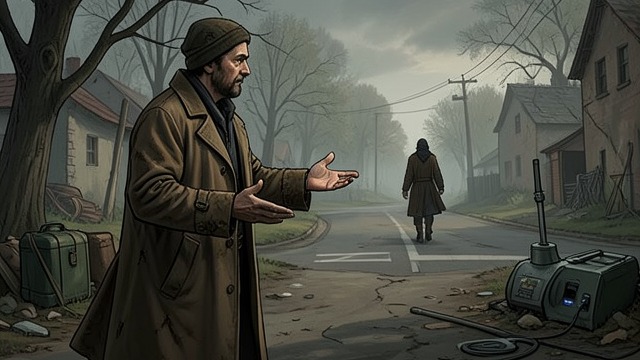
One man feels ashamed of what he did and did not do, then develops an urgent wish to help others. Another decides to change because he is dissatisfied with his former life.
Ethics in Daily Life
Their accounts shift moral reflection from abstract evaluation to later conduct. The life review matters because it gives the return a direction.
Love Without Downgrading

Acceptance Beyond Faults
Knowing Others Fully
The man says the question concerns whether he can love people even when he knows their faults well. Love is not limited to admiration or approval.
A Demanding Kindness
His answer gives love an enduring and practical meaning. The test is whether understanding another person’s shortcomings ends care or makes it deeper.
Neighborly Responsibility
Love in Practice
Feeding and Clothing
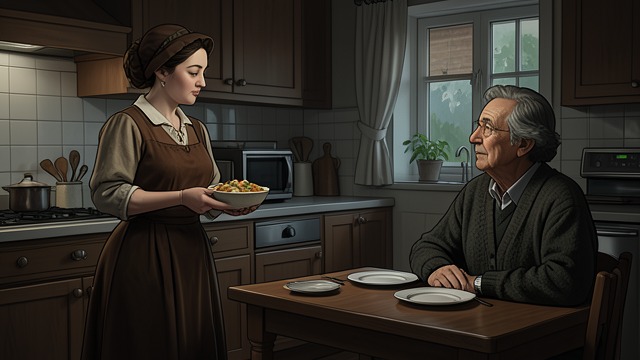
A woman defines love through concern about whether her neighbor is fed and clothed, and a willingness to help when they are not. The ideal becomes concrete assistance.
Social Repair
Moody argues that afterlife belief and concern about injustice need not compete. Love can make the prospect of continued life a reason to improve life for others now.
During subjects’ reported life reviews
As one subject sees the effects of past actions
Immediately after two men return from their reviews
During a man’s explanation of what the being of light asked
As Moody connects the reports with earthly service
